
For scholars, makers, designers, and anyone drawn to Palestinian culture, this book offers an essential foundation. Discover the stitches that hold a heritage together.
What gives a Palestinian thobe its identity? Beyond its beautiful patterns, it is the stitches that build it.
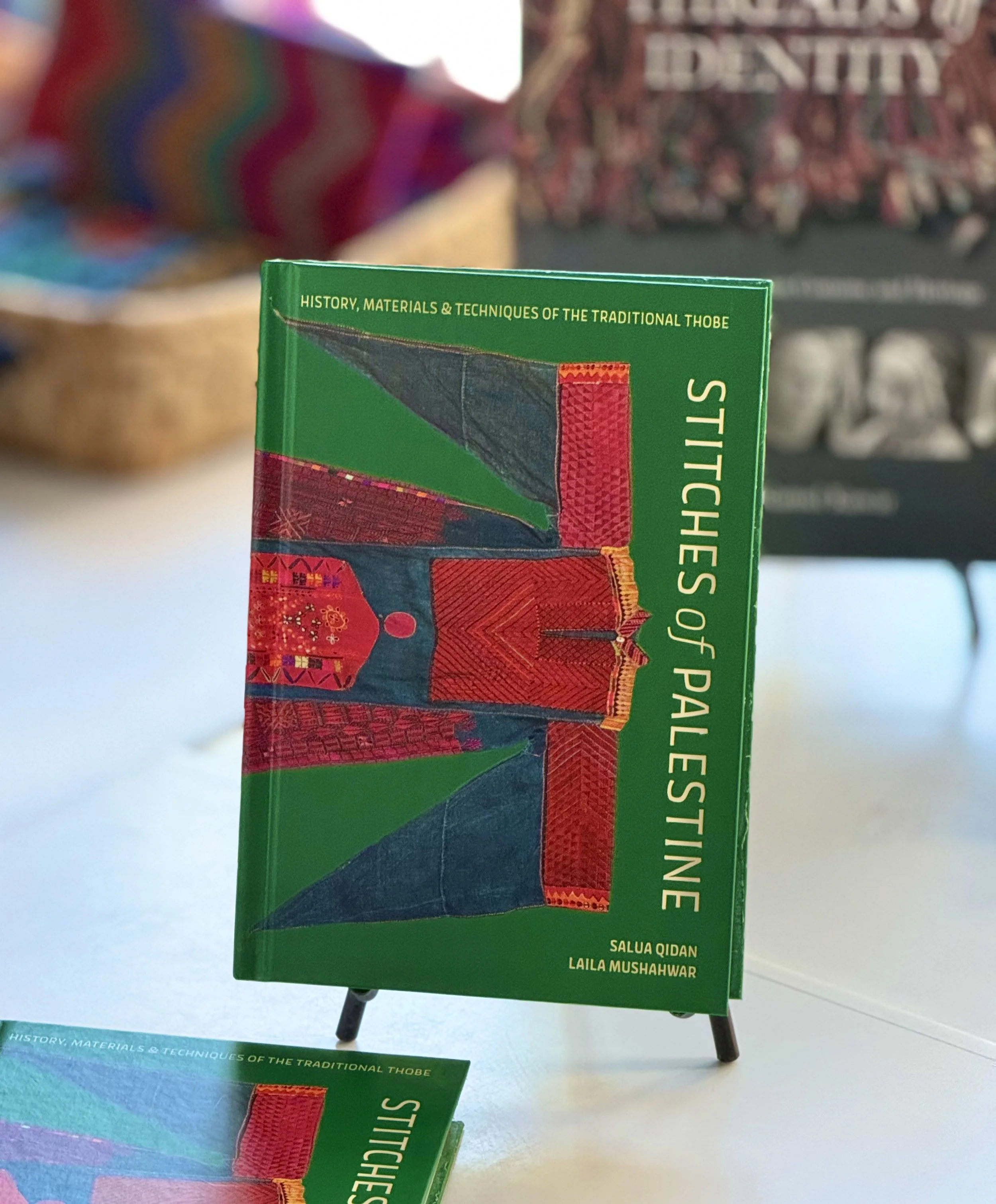
Stitches of Palestine is the most comprehensive book of its kind, revealing the technical foundations of tatreez, the embroidery tradition passed through generations of Palestinian women. Drawing on ten years of close study with renowned collector Widad Kawar and her unparalleled collection of historic dresses, the book explores the stitches that shape the structure, rhythm, and character of the Palestinian thobe.
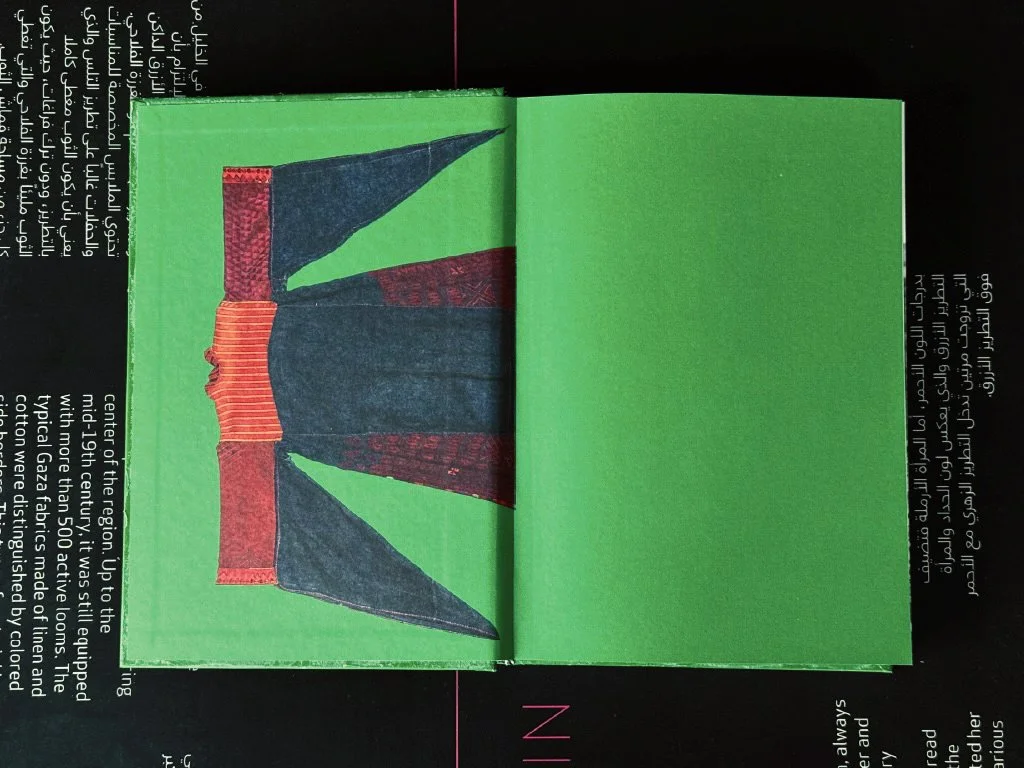
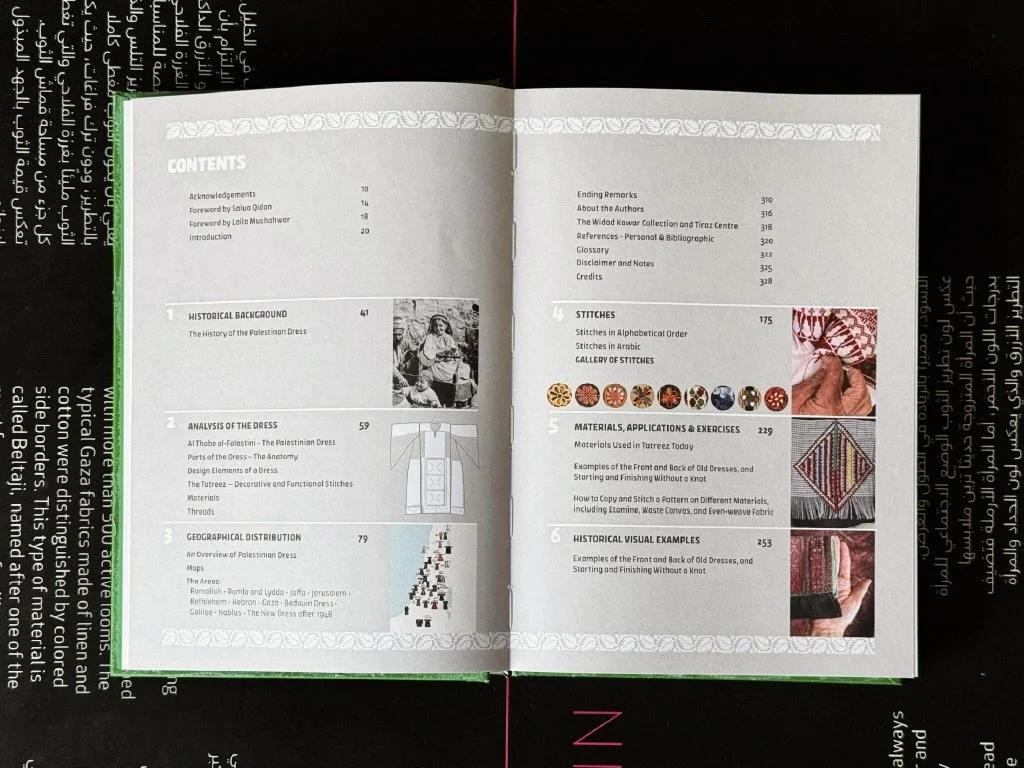
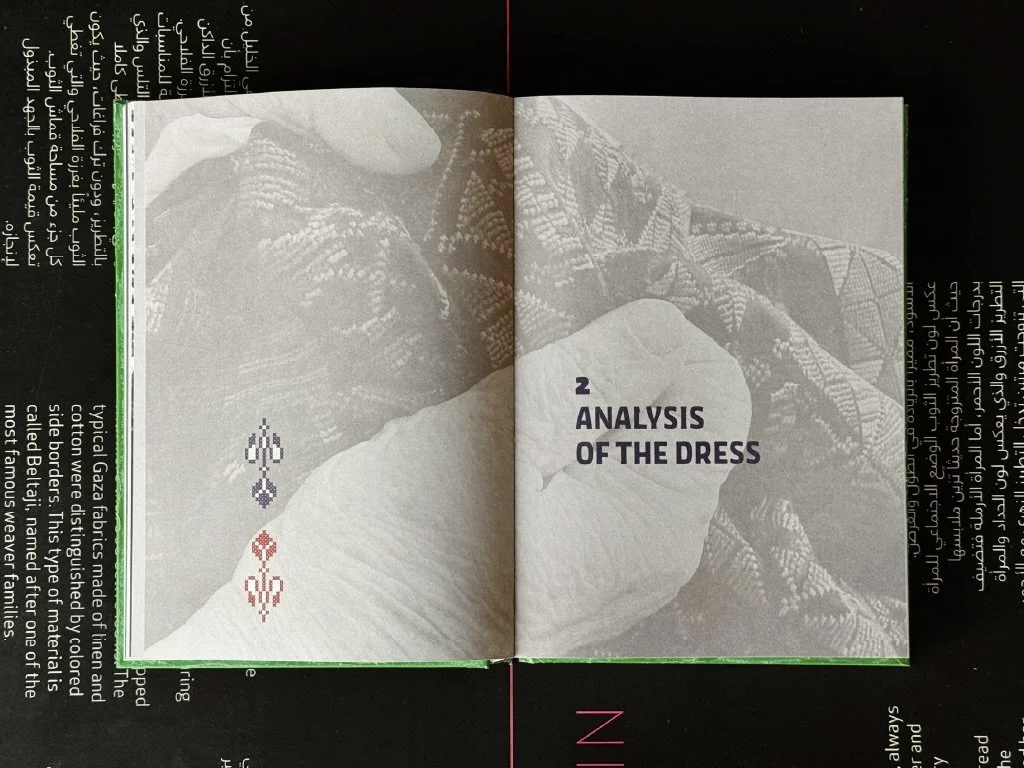
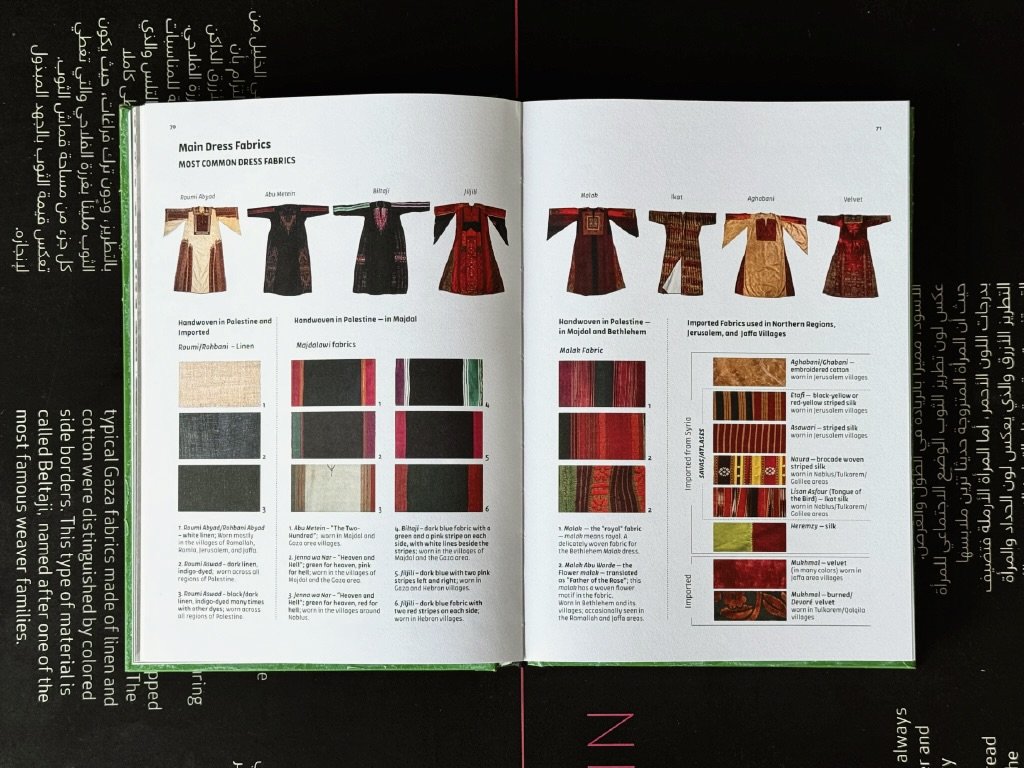
• A complete anatomy of the Palestinian dress and its materials
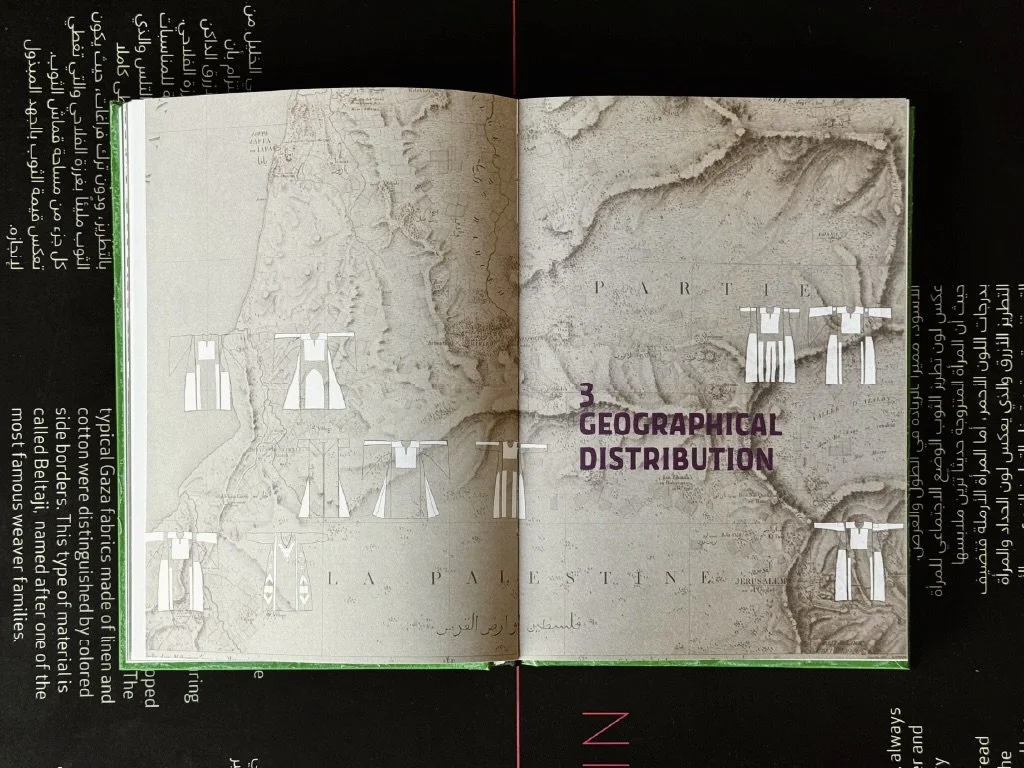
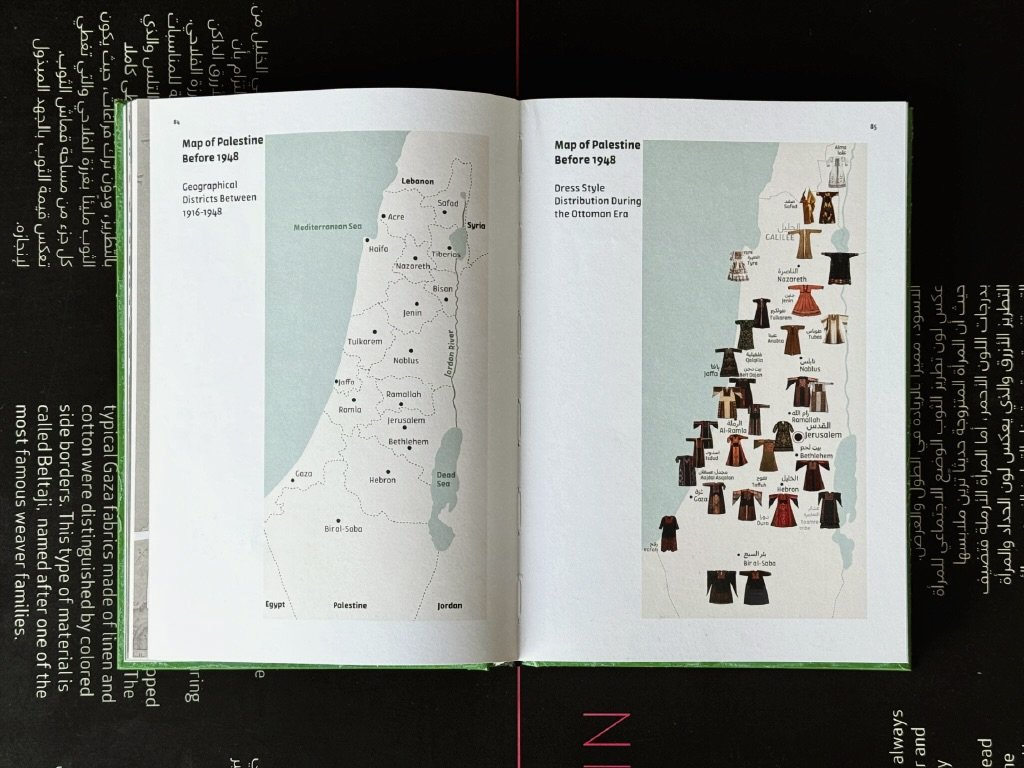
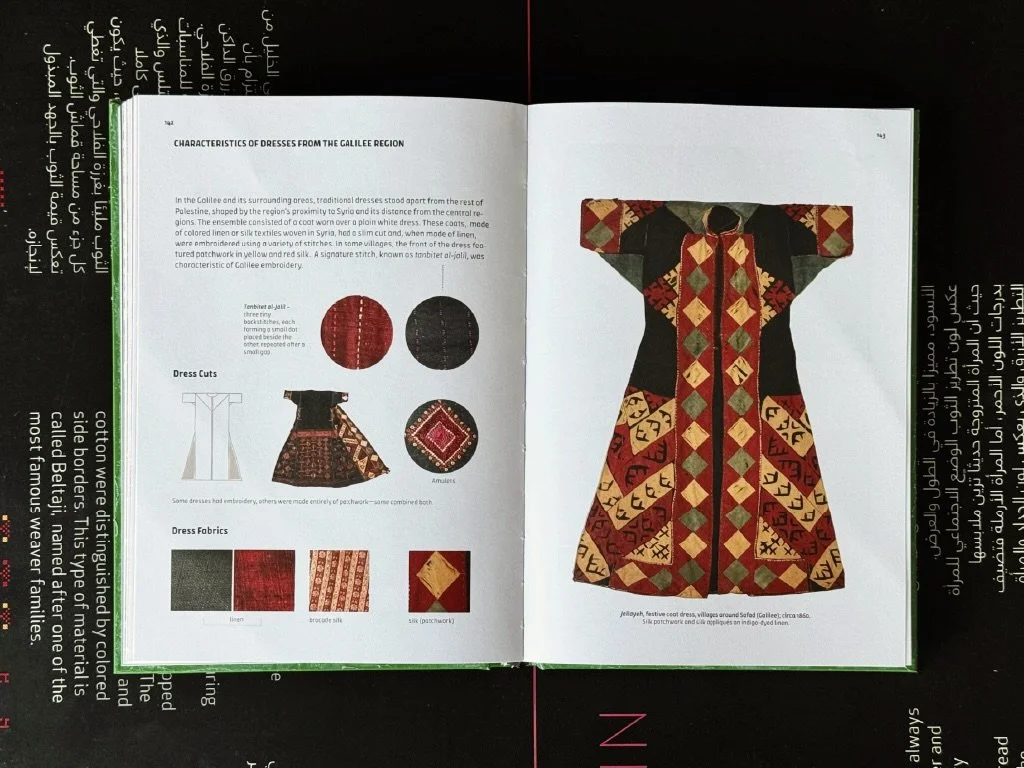
• Coverage of 10 geographic regions of Palestine and their distinct dress traditions
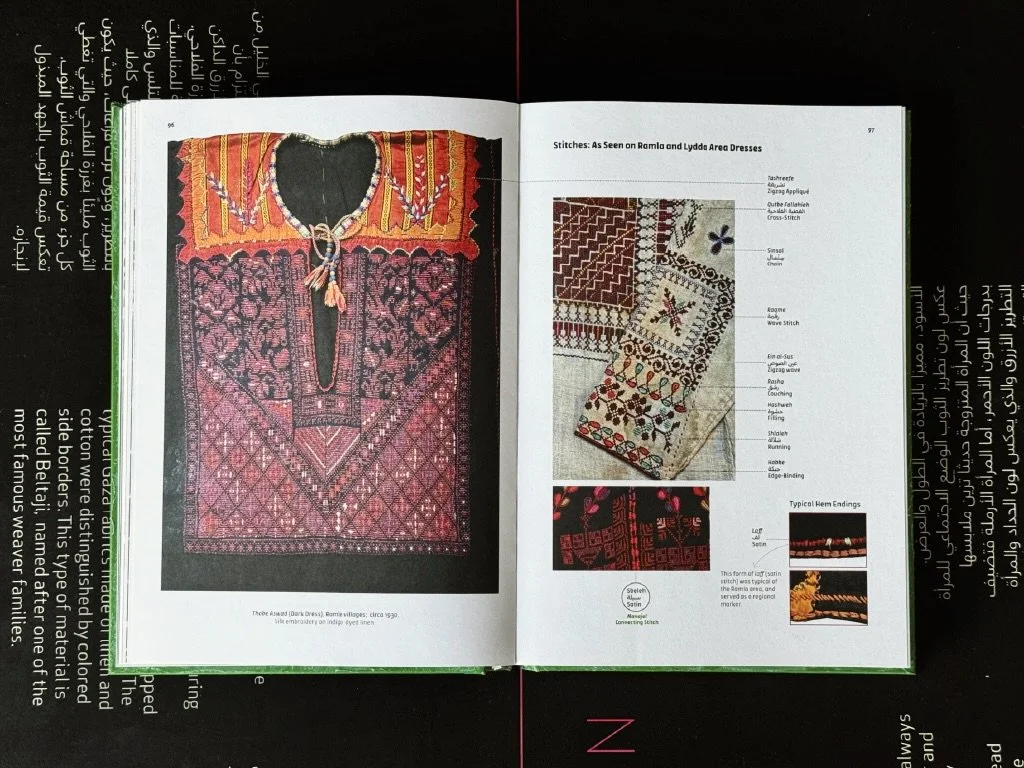
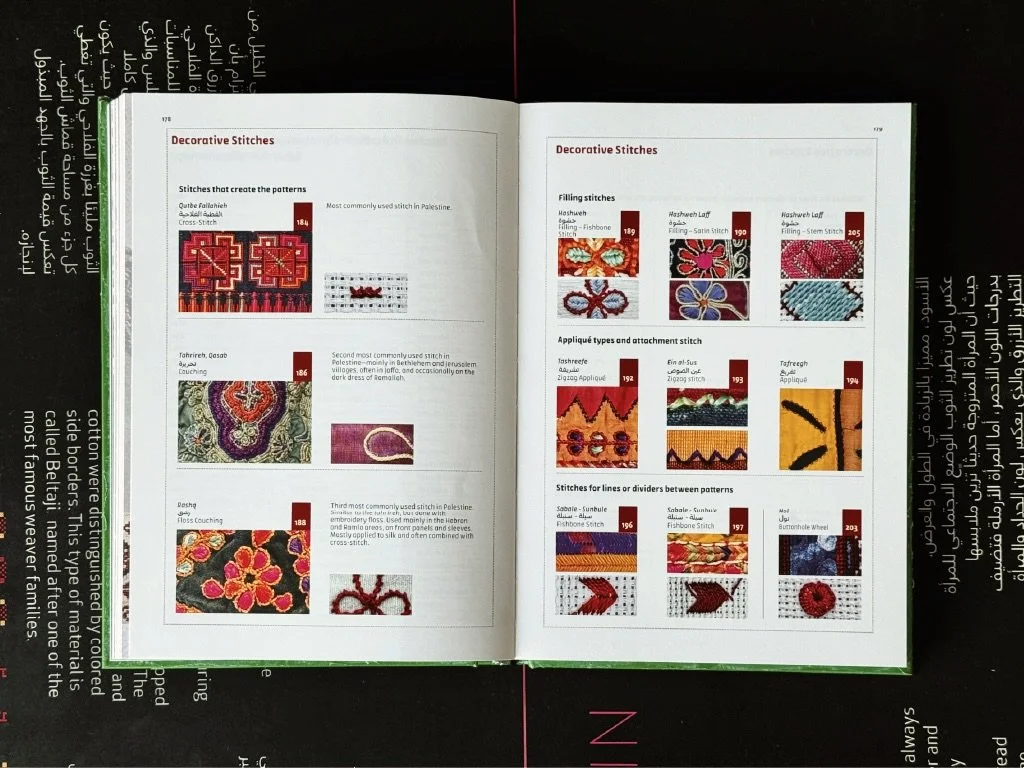
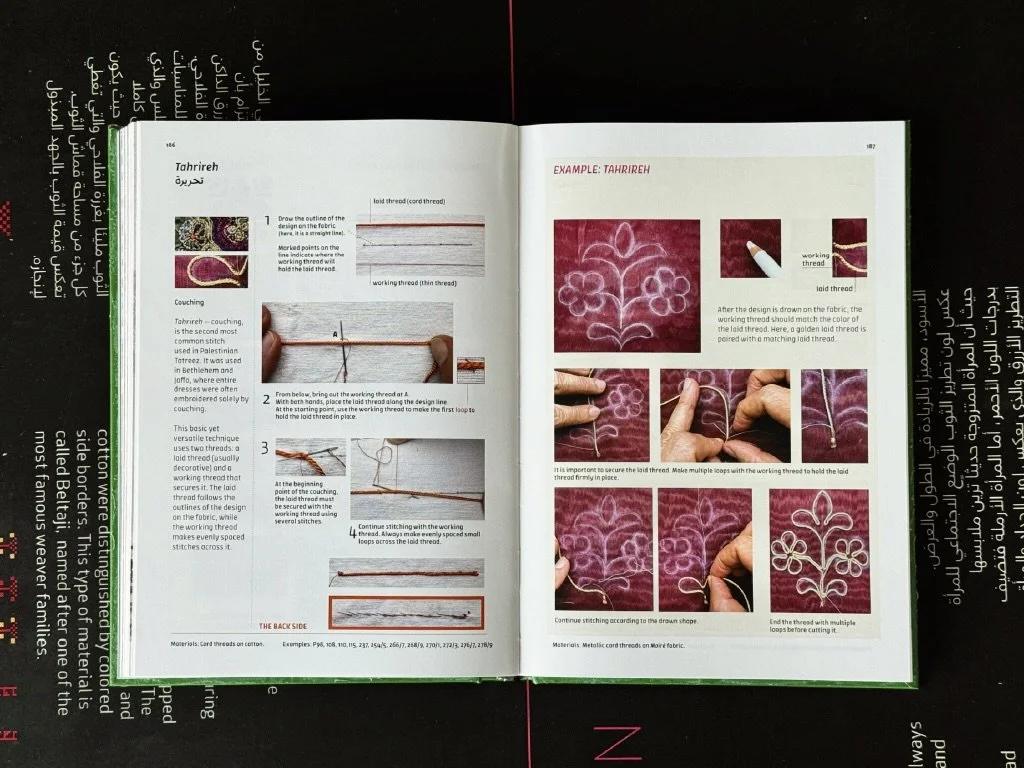
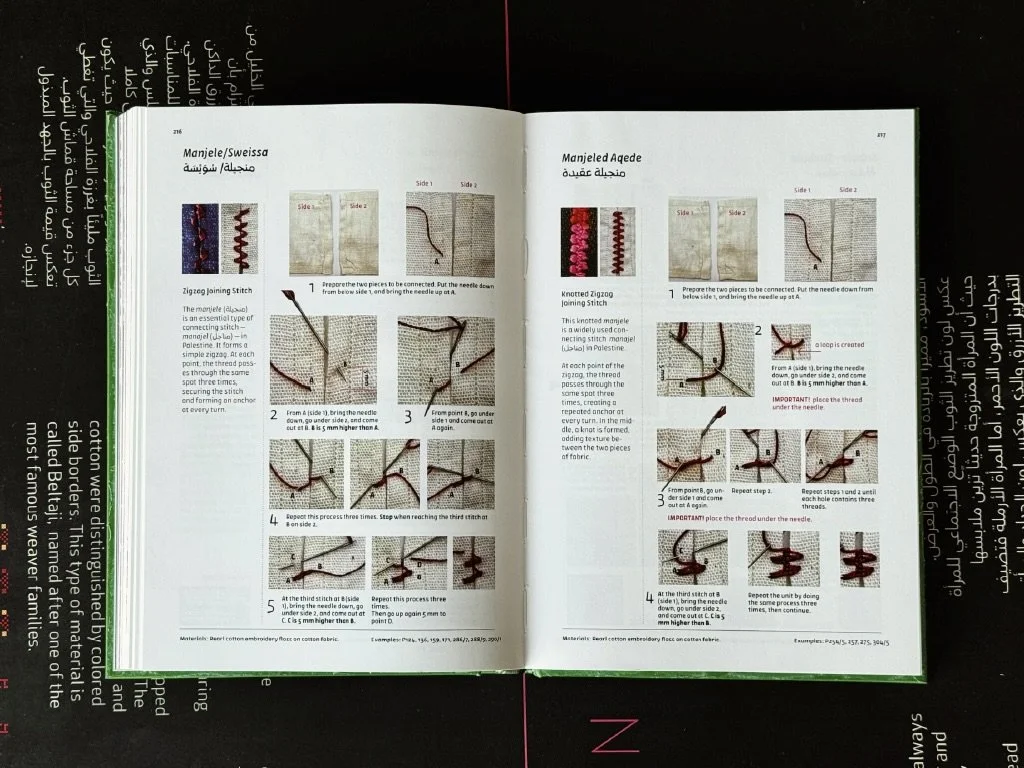
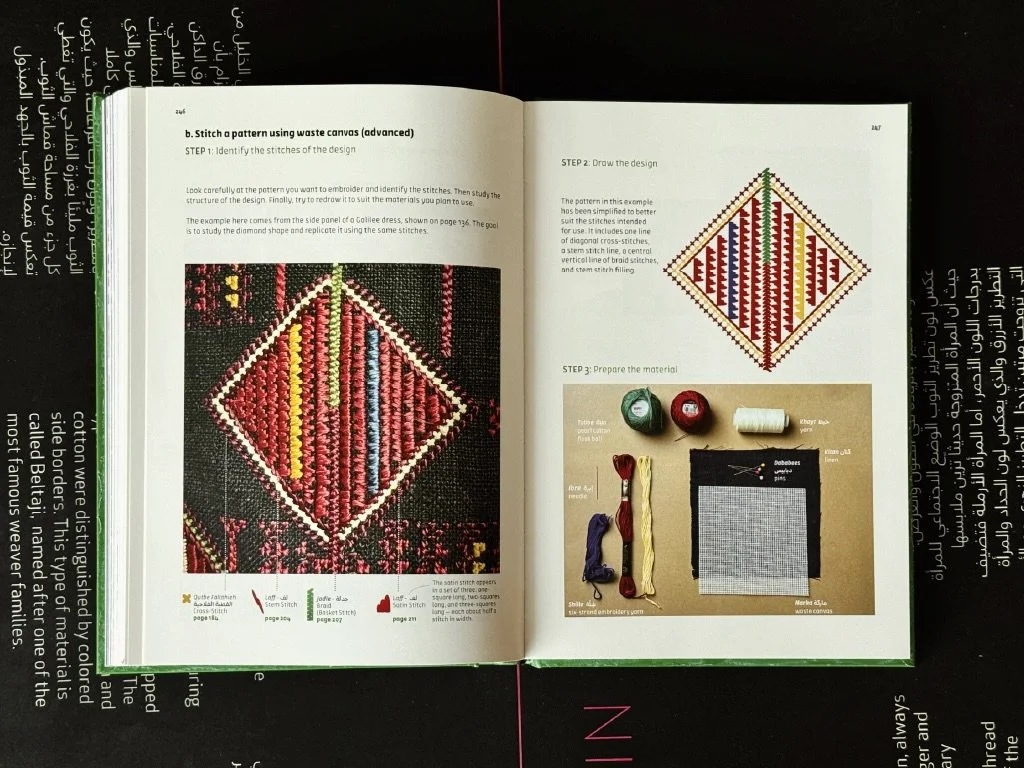
• A 50-page illustrated stitch gallery with step-by-step guides to more than 25 traditional stitches
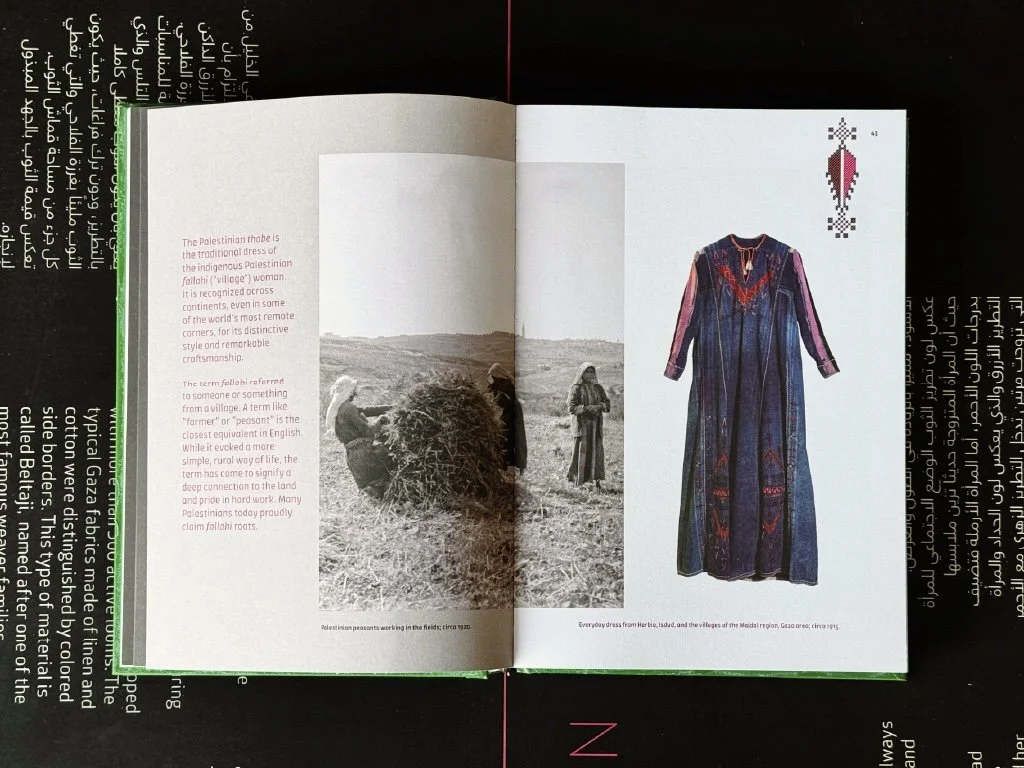
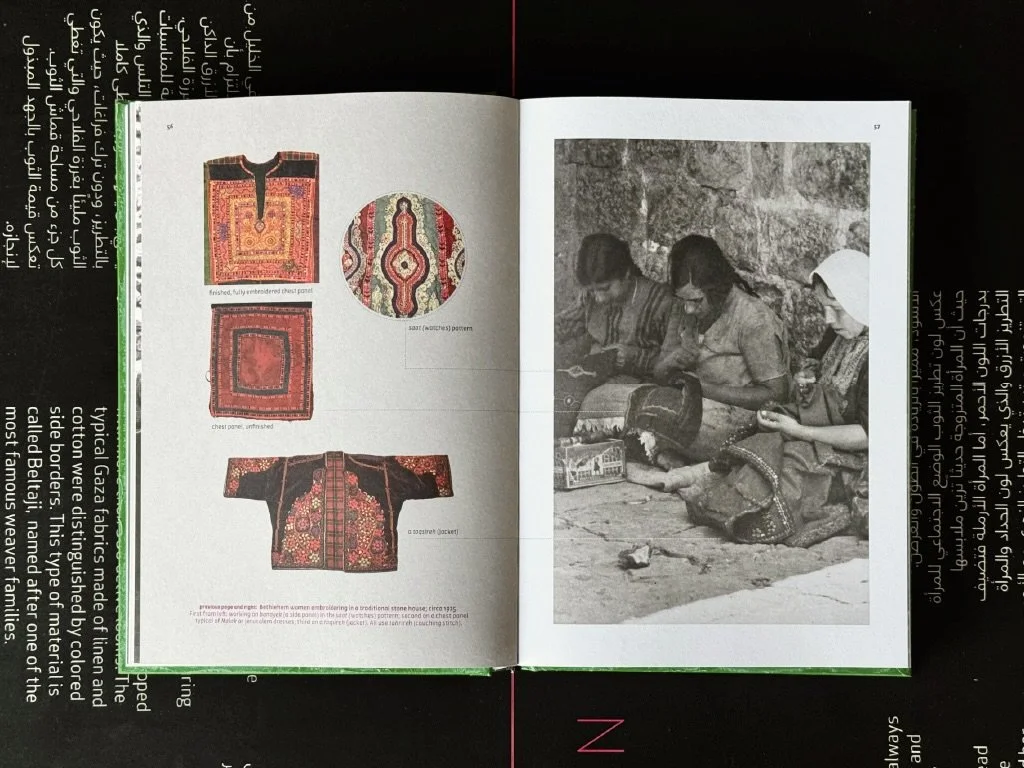
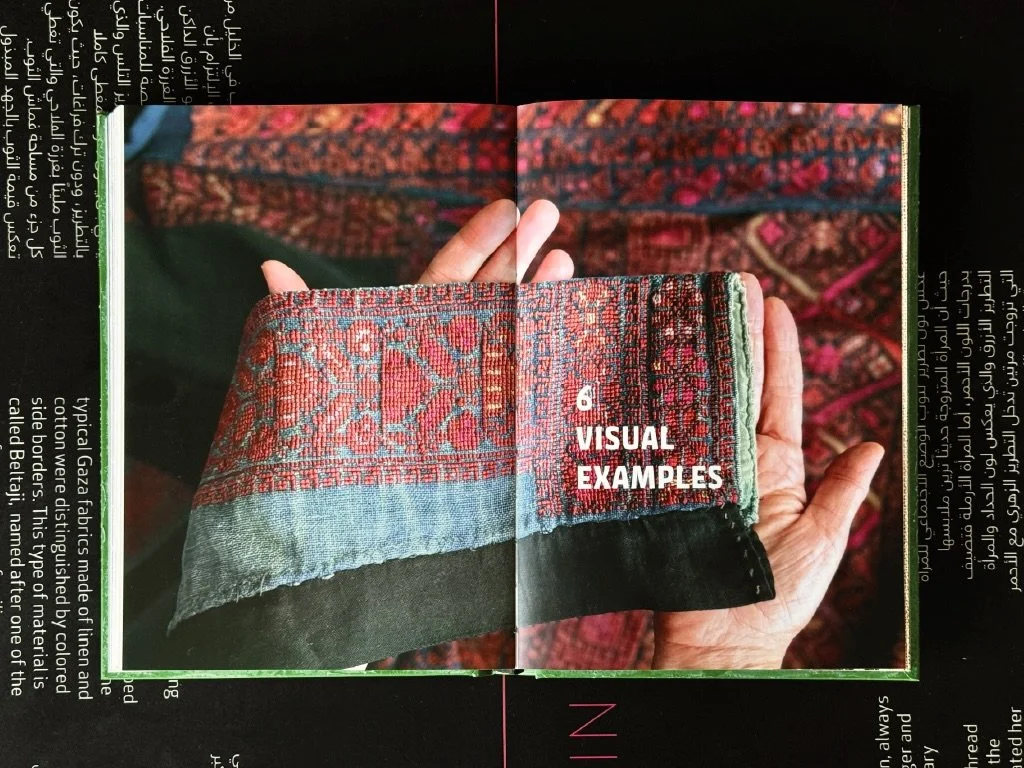
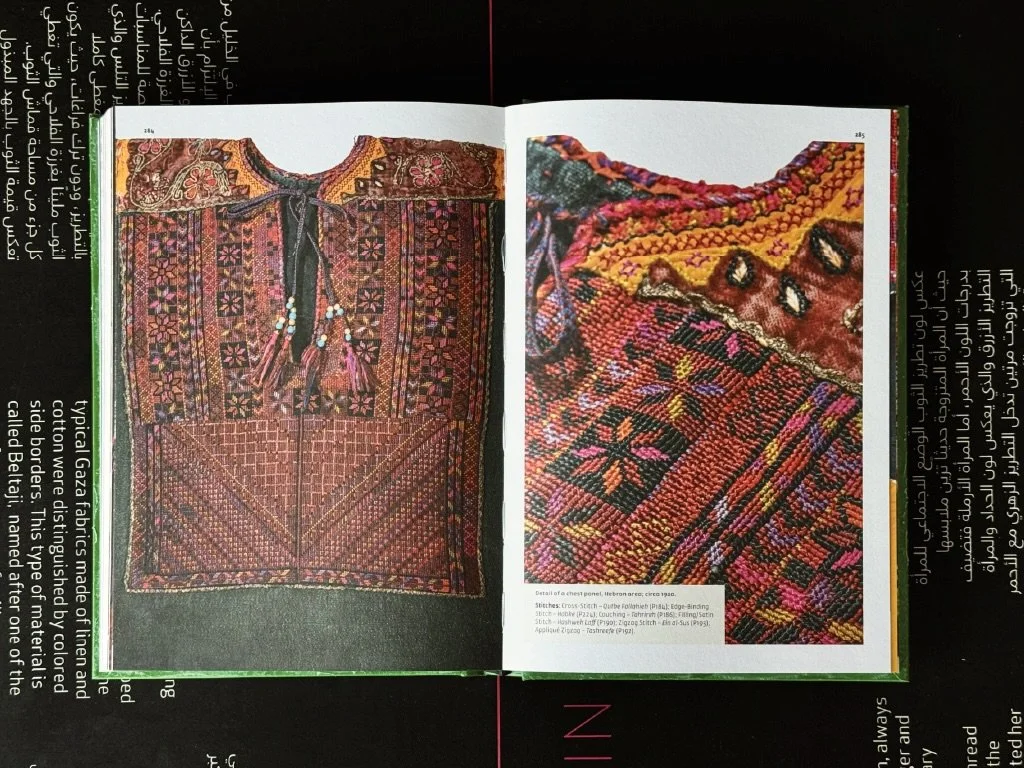
• Over 500 images of historic dresses, textiles, and embroidery details
• Research based on oral histories, artisans’ knowledge, and the Widad Kawar Collection
For scholars, makers, designers, and anyone drawn to Palestinian culture, this book offers an essential foundation. Discover the stitches that hold a heritage together.
What gives a Palestinian thobe its identity? Beyond its beautiful patterns, it is the stitches that build it.
Stitches of Palestine is the most comprehensive book of its kind, revealing the technical foundations of tatreez, the embroidery tradition passed through generations of Palestinian women. Drawing on ten years of close study with renowned collector Widad Kawar and her unparalleled collection of historic dresses, the book explores the stitches that shape the structure, rhythm, and character of the Palestinian thobe.
• A complete anatomy of the Palestinian dress and its materials
• Coverage of 10 geographic regions of Palestine and their distinct dress traditions
• A 50-page illustrated stitch gallery with step-by-step guides to more than 25 traditional stitches
• Over 500 images of historic dresses, textiles, and embroidery details
• Research based on oral histories, artisans’ knowledge, and the Widad Kawar Collection